 ultimate-guide
Why Super-Automatic Espresso Machines Are Worth It
Table of Contents
- What Makes Super-Automatic Espresso Machines Different
- Super-Automatic Espresso Machine Pros and Cons
- Super-Automatic vs. Manual Espresso Machine: What You Actually Get
- The Real Cost of Ownership: Breaking Even on Your Investment
- Super-Automatic Espresso Machine Maintenance: What's Really Involved
- Super-Automatic Espresso Machine vs. Nespresso: Which Delivers Better Value
- Is a Super-Automatic Machine Right for Your Home?
- Frequently Asked Questions
Last Updated: October 20, 2026
What Makes Super-Automatic Espresso Machines Different
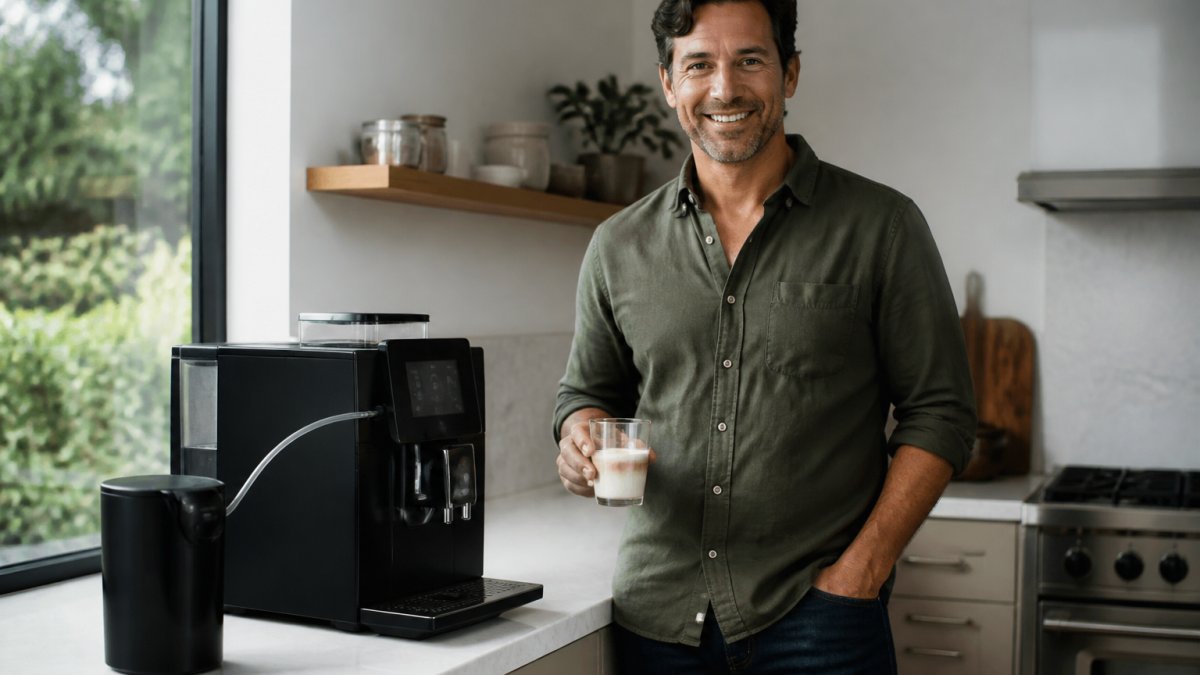
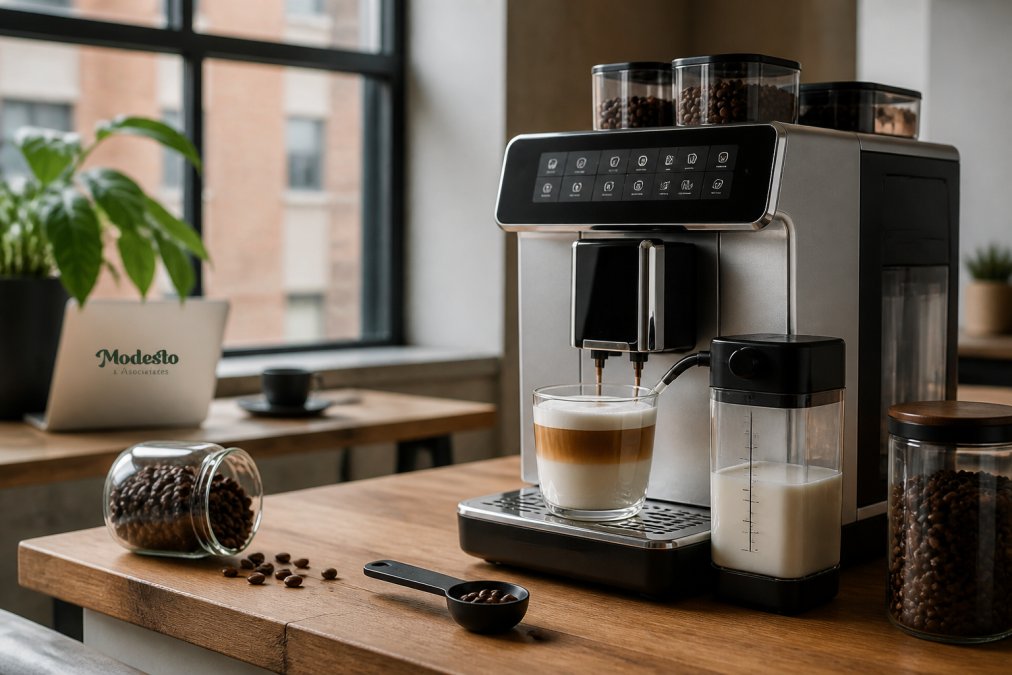
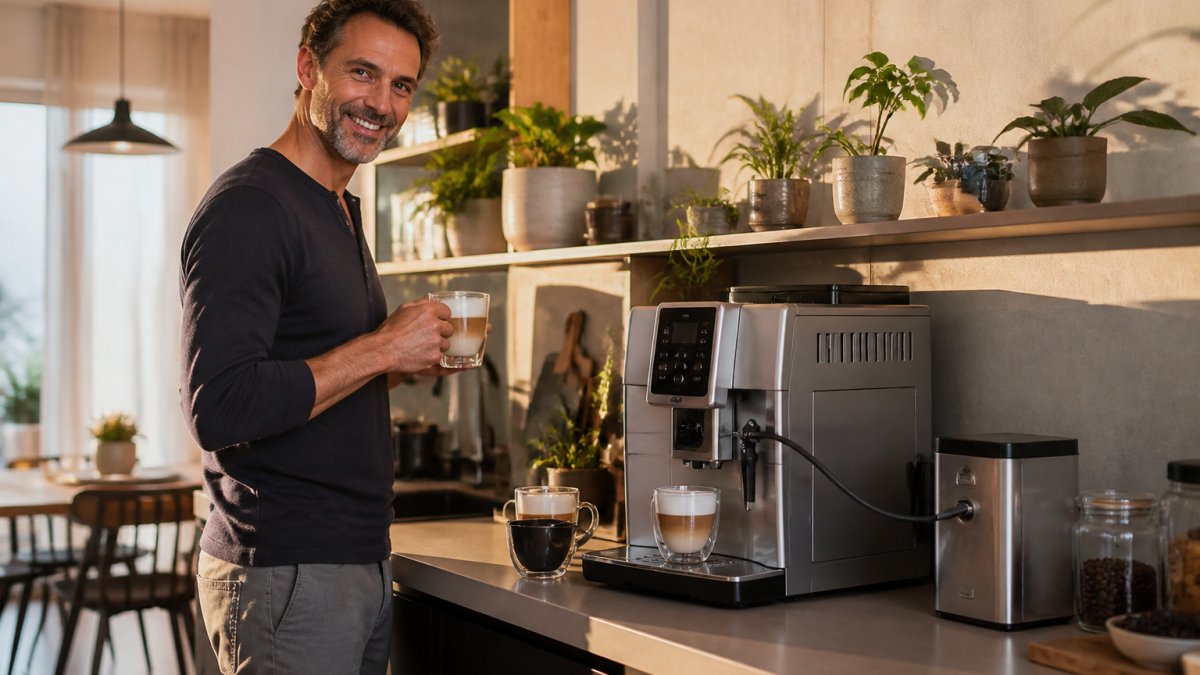
A super-automatic espresso machine grinds whole beans, tamps the grounds, brews the shot, and steams milk at the push of a button. Unlike manual or semi-automatic machines that require barista skills, super-automatic espresso machines handle the technical complexity for you. That difference shapes the learning curve, the daily ritual, drink consistency, and whether the investment makes sense for your household.
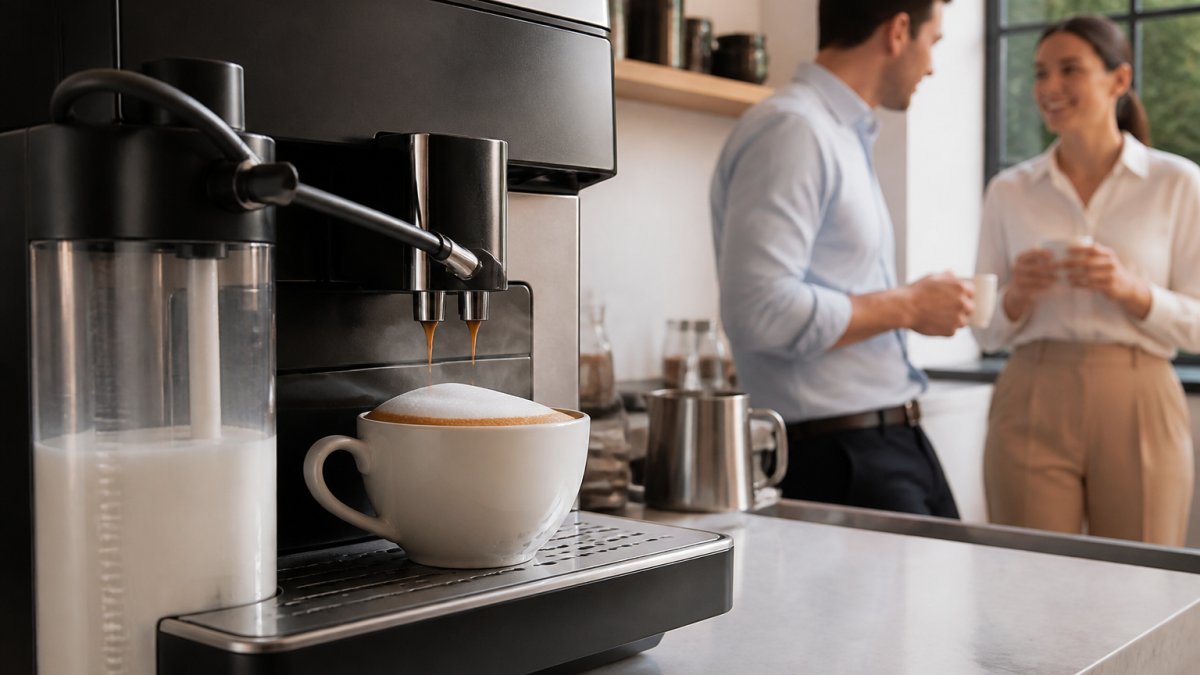
The appeal is straightforward: you select espresso, cappuccino, or latte and the machine executes it. No tamping errors, extraction timing mistakes, or burnt milk. The built-in grinder adjusts dose and grind size, the brew group manages temperature and pressure, and the milk system froths to the correct consistency. For professionals aged 30-50 juggling work and home life, this eliminates the friction that keeps most people buying coffee shop drinks.
But automation has trade-offs. Super-automatic machines are mechanically complex, require regular cleaning and descaling, and are less customizable if you want to experiment with grind size or extraction variables. They also cost more upfront than semi-automatic machines delivering similar espresso quality with more hands-on control.
Super-Automatic Espresso Machine Pros and Cons
Super-automatic espresso machines excel at removing barriers to daily use. Fill the bean hopper and water reservoir, press a button, and get a café-quality drink in under two minutes.
The consistency extends to milk-based drinks. The integrated milk steaming system froths and heats milk automatically, so cappuccinos and lattes taste the same every time. In households where multiple people use the machine, each person gets a professional result without barista training.
Convenience also translates to actual use. Many manual machine owners brew infrequently because the process feels like work; super-automatic machines remove that friction, so you're more likely to brew at home instead of stopping at a café.
The downsides are equally real. Super-automatic espresso machines require active maintenance: the brew group must be cleaned after every use, descaling is needed monthly or quarterly depending on water hardness, and the milk system requires flushing to prevent buildup. Neglect it and the machine degrades quickly.
Customization is also limited. If you want to experiment with grind sizes, dose amounts, or extraction times, a super-automatic machine constrains those variables.
The machine also occupies significant counter space. Most models are 15-20 inches wide and need clearance above for the cup, so a packed kitchen may not fit your layout.
| Aspect | Pros | Cons |
|---|---|---|
| Ease of Use | One-button operation, no barista skills needed | Limited customization of brew variables |
| Consistency | Same quality every time, milk steaming automated | Requires consistent maintenance |
| Speed | Full drink in under 2 minutes | Takes up counter space |
| Learning Curve | Immediate competence for new users | Less engaging for enthusiasts |
| Milk Drinks | Professional frothing built-in | Milk system needs regular cleaning |
Super-Automatic vs. Manual Espresso Machine: What You Actually Get
The choice between super-automatic and manual espresso machines isn't really about coffee quality, modern super-automatic machines produce shots that rival manual machines in taste and body. The difference is about control, engagement, and the role brewing plays in your daily life.
A manual espresso machine requires you to grind beans, dose the portafilter, tamp with consistent pressure, monitor extraction time, and steam milk by hand. It takes 10-15 minutes and demands technique, but the payoff is complete control over every variable to match the bean, your water, and your taste.
A super-automatic machine removes all those steps: press a button and get a drink. The trade-off is you can't dial in variables, since the machine decides based on factory settings. For most home users that's fine; for people buying specialty beans and wanting their full potential, manual machines offer more satisfaction.
The practical difference shows up in daily use. Manual owners often describe the process as meditative and enjoy the craftsmanship, but many admit they use the machine less than expected because it requires focus and time. Super-automatic owners report using theirs daily because the friction is gone.
From a taste perspective, both produce excellent espresso. A well-maintained super-automatic machine generates proper pressure (9 bars), correct brew temperature, and consistent extraction, yielding body, crema, and flavor complexity. You're not sacrificing quality for convenience, just trading customization for reliability.
The Real Cost of Ownership: Breaking Even on Your Investment
Understanding the economics of super-automatic machine ownership means looking beyond the purchase price: how many café visits does this machine replace, and how quickly do you recover your investment?
Most people who switch from buying coffee to brewing at home spend $5 to $8 per café visit. One drink daily is $1,825 to $2,920 per year, or $9,125 to $14,600 over five years.
The break-even calculation depends on your baseline spending. If you visit a café once daily, you'll recover your investment in 6-18 months depending on the machine's cost. If you visit a café 3-4 times weekly, break-even extends to 2-3 years.
Beyond the purchase price, ownership costs include beans, water filters, cleaning supplies, and repairs. Quality whole beans cost $12-18 per pound and produce roughly 15-20 drinks, so per-drink bean cost is $0.60-1.20. Filters run $30-50 annually and cleaning supplies $20-30, totaling $600-800 in consumables over five years.
Maintenance and repairs are the variable cost. A well-maintained machine should last 7-10 years, during which you might replace a water pump ($150-300), solenoid valve ($100-200), or seals ($50-100). Budget $100-150 annually, though many machines go years without service.
The full five-year picture: a machine plus beans, filters, and maintenance totals roughly $3,000-3,500. Spread across five years of daily use (about 1,825 cups), that's $1.65-1.90 per drink versus $5-8 per café visit.
Super-Automatic Espresso Machine Maintenance: What's Really Involved
Maintenance determines whether a super-automatic espresso machine becomes a fixture in your home or a dust-collecting ornament. The good news: it isn't complicated. The bad news: it's non-negotiable.
Daily maintenance takes 3-5 minutes: rinse and dry the brew group, empty and rinse the drip tray, and purge residual water from the group head. This prevents coffee oil buildup; skip it and the machine develops off-flavors and eventually clogs.
The milk system requires flushing immediately after steaming.
Weekly cleaning involves running a cycle with a specialized cleaner tablet through the brew group to dissolve coffee oil residue that daily rinsing misses. It takes 10-15 minutes.
Monthly descaling is necessary in most areas, since water minerals accumulate in the heating element and pipes, reducing efficiency and temperature stability. Fill the tank with descaling solution, run it through, then flush with fresh water; it takes 20-30 minutes.
Beyond these routines, occasional repairs are inevitable: seals wear out, pumps fail, solenoid valves stick. Most repairs run $100-300 and take a technician 1-2 hours. A well-maintained machine should go 2-3 years between significant repairs; neglected machines need service annually.
The maintenance commitment is real but manageable for anyone willing to spend 10 minutes daily and 30 minutes monthly. Machines typically fail when owners skip daily cleaning or ignore descaling for a year.
Super-Automatic Espresso Machine vs. Nespresso: Which Delivers Better Value
Nespresso machines and super-automatic espresso machines serve different use cases, though they're often compared because both deliver café-quality drinks with minimal effort.
Nespresso machines use pre-packaged aluminum capsules containing precisely portioned, pre-ground coffee. You insert a capsule, press a button, and receive an espresso or lungo in 30 seconds. The consistency is exceptional because the capsule ensures proper dose and grind. The machine is compact and produces minimal mess.
Super-automatic espresso machines grind whole beans on demand. You control the coffee source, bean quality, and roast freshness. The machine produces more waste (spent grounds), but that waste is compostable. The initial learning curve is steeper than Nespresso, though still minimal compared to manual machines.
From a cost perspective, Nespresso capsules run $0.70-1.00 per drink. Super-automatic machines cost $0.60-1.20 per drink in beans plus maintenance. Over five years, Nespresso costs roughly $1,280-1,825 in capsules alone, plus the machine purchase. Super-automatic machines cost $3,000-3,500 total including the machine, beans, and maintenance. If you value environmental impact and coffee quality, super-automatic machines win.
The real differentiator is engagement. Nespresso users appreciate the speed and consistency but have zero control over their coffee. Super-automatic machine owners can choose beans from different roasters, experiment with different origins, and adjust machine settings if the model allows it. For people who view coffee as part of their daily ritual, that flexibility matters.
Is a Super-Automatic Machine Right for Your Home?
Deciding whether a super-automatic espresso machine fits your life requires honest assessment of three factors: your current café spending, your willingness to maintain the machine, and your value for convenience versus customization.
If you currently visit a café 5+ times weekly and spend $25-40 weekly on coffee, a super-automatic machine makes financial sense within 12-18 months. You'll also gain the convenience of brewing at home and the satisfaction of controlling your drink quality.
If you visit a café 2-3 times weekly, the financial break-even extends to 2-3 years. The machine still makes sense if you value home brewing enough to commit to daily maintenance and if counter space isn't a constraint.
If you visit a café once weekly or less, a super-automatic machine is a luxury purchase. The financial case is weak, but the value proposition shifts to experience.
The maintenance commitment is the real filter. If you're unlikely to spend 10 minutes daily cleaning the brew group or 30 minutes monthly descaling, don't buy a super-automatic machine. The machine requires consistent care. Neglect it and you'll resent the purchase within months.
Consider also your household situation. If you live alone and brew once daily, a super-automatic machine is straightforward.
At Modesto & Associates, we specialize in professional-grade super-automatic espresso machines designed to deliver barista-quality coffee in your home. Our curated selection combines advanced automation with the build quality that ensures reliable performance for years.
Frequently Asked Questions
Can a super-automatic machine actually make good espresso?
Yes. Super-automatic espresso machines grind whole beans to the correct size, dose precisely, tamp automatically, and extract at the proper brew temperature and pressure. The result is espresso with proper crema and flavor extraction comparable to what you'd get from a skilled barista. The key difference: you don't need barista skills, the machine handles the variables that most affect taste.
How much maintenance does a super-automatic espresso machine need?
Daily maintenance takes 5-10 minutes: empty the drip tray, rinse the brew group, and purge the group head. Weekly, run a cleaning cycle with a cleaning tablet. Monthly, descale the machine to remove mineral buildup. Annual deep cleaning or professional servicing extends the machine's lifespan. Most owners find this routine manageable compared to the daily convenience they gain.
How long does it take to break even on a super-automatic machine?
Break-even depends on your current coffee spending and the machine's cost. If you switch to home brewing, you can save significantly. A mid-range super-automatic machine typically pays for itself in 1-2 years, after which every cup is nearly pure savings.
What's the difference between a super-automatic machine and Nespresso?
Super-automatic machines grind whole beans and brew full espresso shots with user control over strength and volume. Nespresso uses pre-packaged capsules, offering speed and consistency but less customization and higher ongoing costs per drink. Super-automatic machines deliver better espresso quality and lower long-term costs; Nespresso prioritizes convenience and compact design. Your choice depends on whether you value customization and savings or simplicity and space.