 ultimate-guide
What Is a Bed and Breakfast and Is It Worth It?
Last Updated: October 31, 2026
Quick Summary
A bed and breakfast is a small lodging, usually a private home or converted residence, where a host rents a few guest rooms and serves breakfast each morning. It offers personal hospitality rather than hotel-style service, so it suits guests who want a more personal stay.
- Breakfast is the defining feature, so ask whether the rate includes it.
- Confirm breakfast hours, since some properties serve only at fixed times.
- Check whether taxes, cleaning or service fees are included before booking.
- Read house rules on parking, pets, children and check-in windows.
- Hotels offer more amenities, while a B&B offers personal attention and a quieter setting.
Table of Contents
- What Is a Bed and Breakfast?
- What to Expect at a Bed and Breakfast
- Bed and Breakfast vs Hotel: How They Differ
- How to Choose a Bed and Breakfast
- Bed and Breakfast Etiquette for Guests
- Booking Your First Bed and Breakfast Stay
- Frequently Asked Questions
What Is a Bed and Breakfast?
A bed and breakfast is a small lodging, usually a private home or converted residence, where a host rents a few guest rooms and serves breakfast each morning. The guest experience centers on personal hospitality rather than hotel-style service.
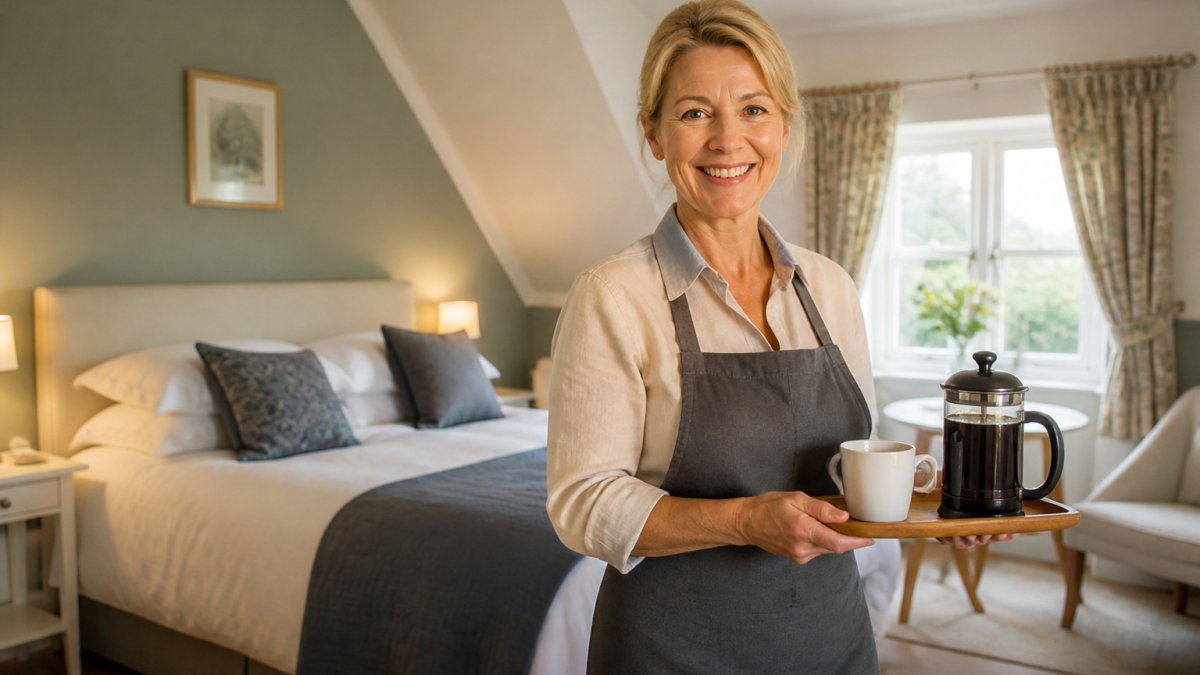
Many travelers choose a B&B for the sense of staying somewhere lived-in. You may share a morning table with other guests, get local recommendations from the host, and wake up to a meal made in the same kitchen the owners use every day.
Where the B&B Abbreviation Comes From
"B&B" is shorthand for bed and breakfast, and you will see it on signs, listings and booking sites. The abbreviation appears in the same places as "BnB," a spelling you will also find in directories and reviews. Both refer to the same type of property.
The Private-Home Setting
Because most B&Bs are run from a family home or a restored historic house, the atmosphere differs from a commercial hotel. Rooms often have individual décor, and the host may live on site. That closeness is the main appeal for many guests, but it also means you are a visitor in someone's home, so expectations about privacy and noise matter more than they would in a hotel.
What to Expect at a Bed and Breakfast
Expect a room, a breakfast served at a set hour, and a host who handles check-in and questions. Rooms vary widely: some are cozy single-room suites in a Victorian house, others are modern rooms in a converted barn.
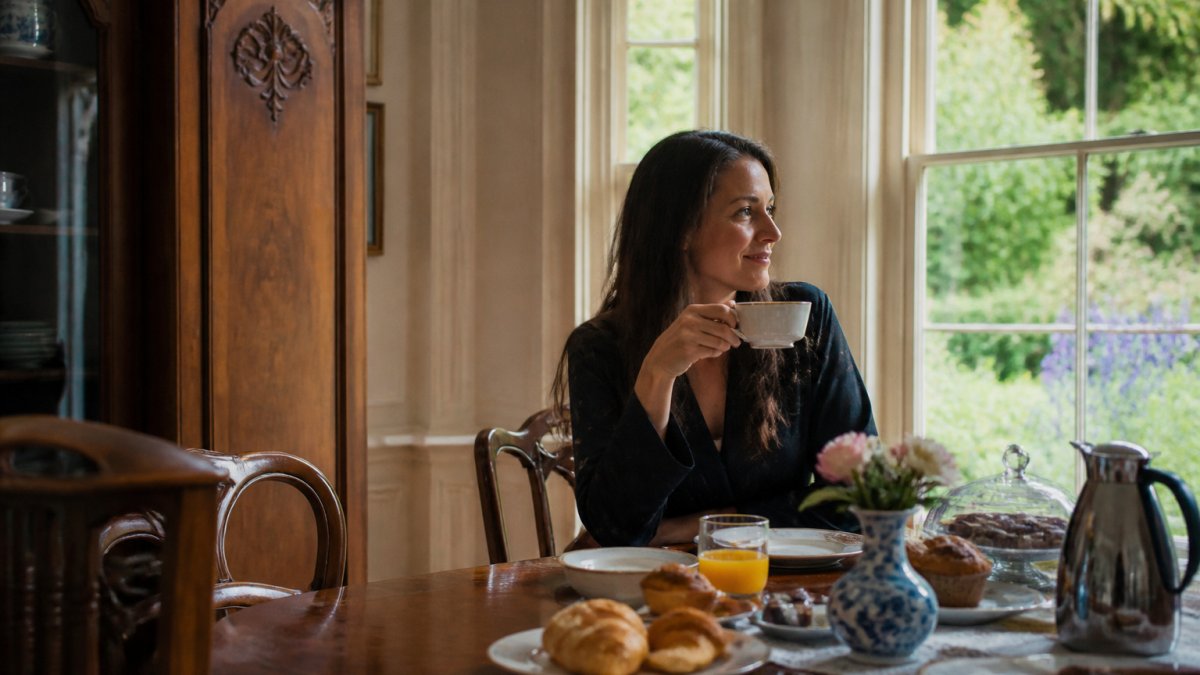
Breakfast is the defining feature. Breakfast formats and dietary accommodations vary by property, so ask the host about options in advance. Confirm breakfast times, since some properties serve only at fixed hours.
Check whether the rate includes breakfast, taxes and any cleaning or service fees before you book. Policies on parking, pets, children and check-in windows also differ from one property to the next, so read the house rules carefully.
The main points a guest should check before booking a bed and breakfast are summarised below.
| Check before booking | What to confirm | Why it matters |
|---|---|---|
| Breakfast | Whether the rate includes it | Breakfast is the defining feature |
| Breakfast hours | Fixed serving times | Some properties serve only at set hours |
| Taxes and fees | Whether taxes, cleaning or service fees are included | Avoids surprise charges |
| Parking | Availability and policy | Varies by property |
| Pets and children | Policy on each | Varies by property |
| Check-in window | Allowed arrival times | Policies differ between properties |
Bed and Breakfast vs Hotel: How They Differ
A hotel is a commercial property with staff, standardized rooms and a front desk. A bed and breakfast is typically smaller, staffed by its owners, and built around one shared meal.
Hotels often offer more on-site amenities than a B&B does. A B&B trades those for personal attention, a quieter setting and a distinctive property. If you need flexible late check-in or on-site dining every night, a hotel is usually the better fit. If you want a smaller, more personal stay with a home-cooked morning meal, a B&B often delivers more of that.
How to Choose a Bed and Breakfast
Start with location and trip type. Decide whether you want to be near local attractions, a city center or a quiet rural area, then narrow by room count, breakfast format and host responsiveness. Reviews help, but read recent ones and look for specific comments about cleanliness, noise and how the host handled problems.
A Practical Booking Checklist
- Confirm whether the rate includes breakfast, taxes and any cleaning or service fees
- Ask about breakfast hours and dietary options before arriving
- Check check-in and check-out times and any late-arrival process
- Ask about parking, Wi-Fi and accessibility of rooms and bathrooms
- Read the cancellation policy and what happens if plans change
- Confirm house rules on children, pets, smoking and quiet hours
- Request written confirmation of your room type and total cost
Transparent Costs and What Is Included
Pricing depends on the property, season, room type and what is included, so check each B&B's website or contact the host for current rates and a firm quote. Ask for the total in writing before you pay, and confirm whether the quoted rate covers breakfast, taxes and any cleaning or service fees. Whether breakfast is included in the room rate varies by property, so confirm it when you book. Compare the all-in total against a hotel stay that adds parking, breakfast and resort or service fees, since the headline rate rarely tells the full story.
Accessibility and Accommodation Needs
If you have mobility, dietary or family needs, confirm arrangements with the host before booking. Ask specific questions: Is the entrance step-free? Are there grab bars in the bathroom? Is the room on the ground floor? Can the kitchen accommodate vegetarian, vegan, gluten-free or allergy-safe requests? For families, confirm whether children are welcome, whether cribs or extra beds are available, and whether the room layout suits your group. Hosts can usually plan better when they know ahead of time, so put requests in writing and keep the confirmation.
Safety, Licensing and Booking Legitimacy
Assess reviews for patterns, not single complaints, and look for comments about safety features, cleanliness and how the host responded to problems. Ask whether the property is registered or licensed where required, and confirm the booking through a traceable channel with written terms. Be cautious of listings that pressure you to pay off-platform or that lack a verifiable address and host contact. A short pre-booking call or message can confirm the property exists, the room matches the listing and the host is responsive.
Comparing B&Bs with Hotels and Vacation Rentals
A hotel offers standardized rooms, a front desk and on-site amenities; a vacation rental offers space and privacy but often no host or breakfast; a B&B sits between them with a hosted, home-based stay and a morning meal. If you need flexible late check-in or on-site dining every night, a hotel is usually the better fit. If you want a smaller, more personal stay with a home-cooked morning meal, a B&B often delivers more of that. Compare the all-in cost, cancellation terms and included meals across all three before you decide.
Bed and Breakfast Etiquette for Guests
Respect the household. Keep noise low in the morning and late at night, and remember that the host may be sleeping or living on site. If you plan to arrive late, tell the host in advance.
House Rules and Shared Spaces
Most B&Bs have written house rules covering quiet hours, smoking, pets, children and use of shared spaces. Read them before you book, not at the door. Shared spaces such as the breakfast table, living room or garden are common areas, so treat them as shared and be prepared for conversation if other guests and the host want to talk. If you prefer privacy, ask whether there is a private seating area or whether breakfast can be served at a quieter time.
Privacy and Host Interaction
A B&B is a home-based stay, so expectations about privacy and noise matter more than they would in a hotel. The host may live on site and may be present during breakfast or in shared areas. Confirm how much interaction the host expects and whether there are areas that are off-limits to guests. If you need quiet time or a workspace, ask about room layout and shared-space access before you book.
Dietary Needs and Accessibility Requests
Be clear about your dietary needs, room preferences and any accessibility requirements when you book, not at the door. Hosts can plan better when they know ahead of time. Put requests in writing and keep the confirmation, and follow up a day or two before arrival to confirm arrangements.
Check-In, Check-Out and Departure
Confirm check-in and check-out times and any late-arrival process before you travel. Some properties serve breakfast only at fixed hours, so plan your morning accordingly. On departure, settle any extras, return keys as directed and leave the room in reasonable order. A short thank-you note or review helps hosts and future guests.
Booking Your First Bed and Breakfast Stay
Booking a first stay is straightforward. Search for B&Bs in your destination, filter by your must-haves, read recent reviews, and contact the host with any questions before you pay. Confirm the total cost in writing, note the cancellation terms, and save the host's phone number for arrival day.
Go in with realistic expectations: a B&B is a personal, home-based stay, not a hotel. With clear questions and an understanding of the house rules, a first visit is usually an easy and memorable experience.
Frequently Asked Questions
What exactly is a bed and breakfast?
A bed and breakfast is a small lodging, usually a private home or converted historic property, run by a host who rents a few guest rooms for overnight stays. The rate typically includes a breakfast served in the morning, often at a shared table or in a common dining room. Most have only a handful of rooms, so the atmosphere is personal and family-run rather than corporate. The abbreviation B&B is used widely in travel listings and reservation sites, and the terms BnB and inn are used for similar properties.
How does a bed and breakfast differ from a hotel?
A bed and breakfast usually has far fewer rooms, is often run by the owner who lives on site, and includes breakfast in the room rate. Hotels typically have larger staff teams, daily housekeeping, and on-site amenities like restaurants or fitness centers. B&B rooms are often decorated individually, sometimes in a historic or distinctive home, while hotel rooms tend to follow a standard layout. Hotels may suit travelers who want anonymity and services, while a B&B suits guests who want a personal stay.
Are bed and breakfasts suitable for families?
Many bed and breakfasts welcome families, but policies vary by property. Some have rooms that sleep more than two people, while others are better suited to couples or adults. Ask the host directly about the number of beds, whether children are welcome, and whether the home has stairs or other features that matter for young children or older relatives. Checking house rules before booking helps avoid surprises at check-in.
How do you choose the right bed and breakfast?
Start by deciding what matters most: location, room type, breakfast arrangements, accessibility, or the historic character of the property. Read recent guest reviews for comments on cleanliness, noise, and host responsiveness. Confirm what the room rate includes, such as breakfast, parking, and taxes, and ask about cancellation terms. Contact the host with any dietary needs or accessibility questions before you book, since a small property may not be able to accommodate every request.