 ultimate-guide
Benefits of Plumbed In Home Espresso Machines
Table of Contents
- Why a Plumbed In Espresso Machine Changes Your Daily Routine
- Plumbed-In Espresso Machine vs Reservoir: Which Fits Your Kitchen?
- Home Espresso Machine Water Line Installation: What to Expect
- Espresso Machine Water Filtration: Protecting Flavor and Your Machine
- Plumbed Espresso Machine Maintenance: Keeping It Leak-Free and Reliable
- Total Installation and Ownership Costs to Plan For
- Frequently Asked Questions
Last Updated: October 17, 2026
Why a Plumbed In Espresso Machine Changes Your Daily Routine
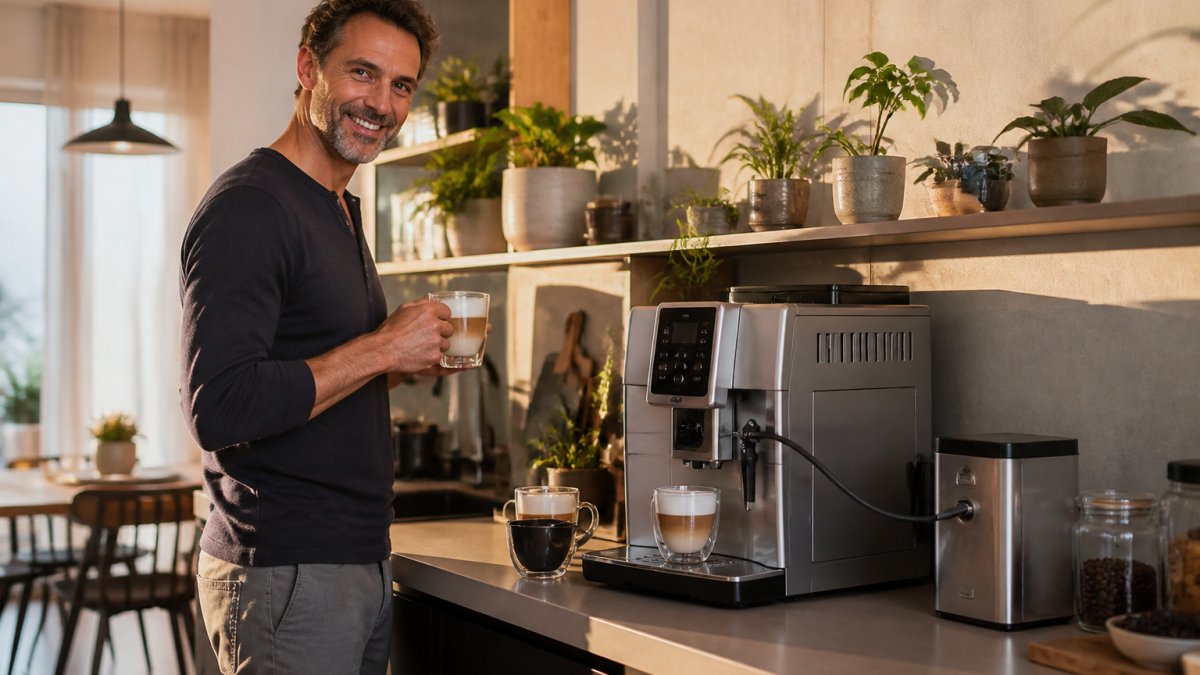
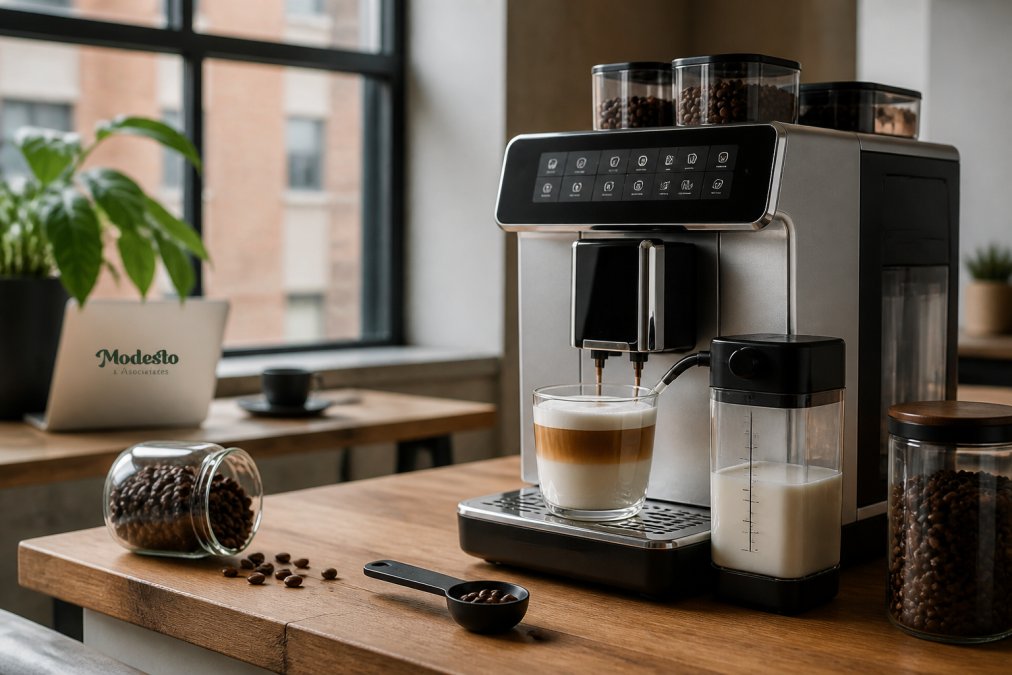
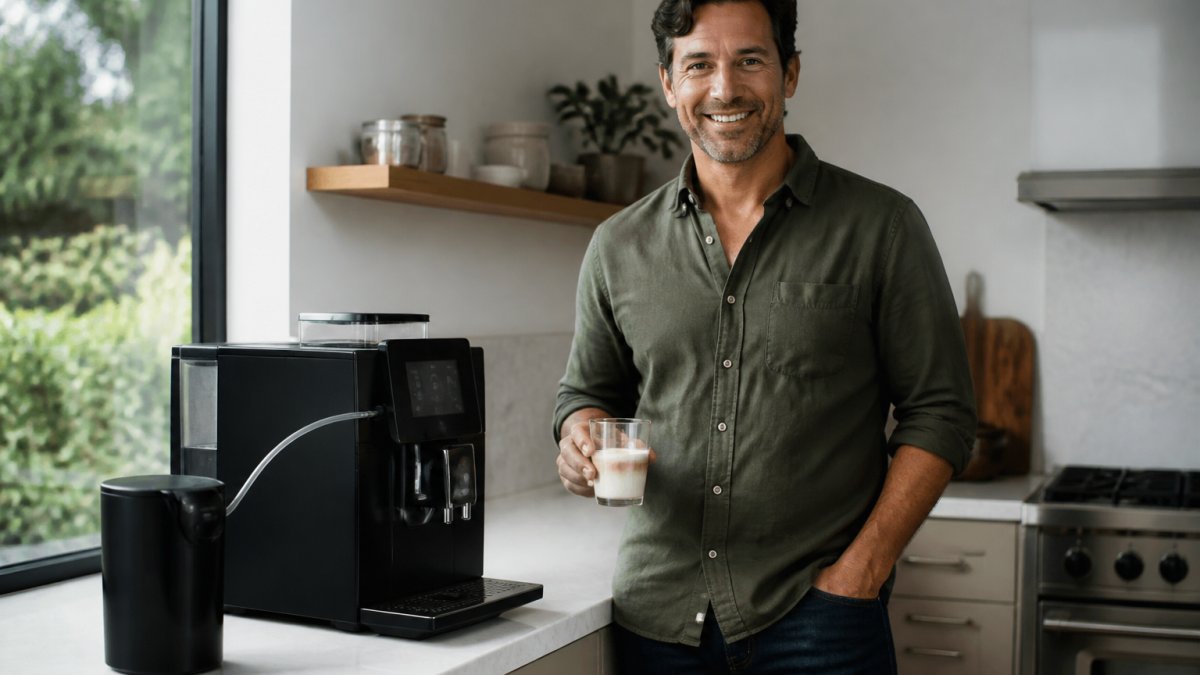
A plumbed-in espresso machine connects directly to your kitchen's water supply, eliminating the reservoir refill cycle that interrupts most home coffee routines. The benefits of plumbed in home espresso machines come down to one idea: the machine stops being an appliance you manage and starts being one you simply use.
At Modesto & Associates, we see the same pattern with busy professionals. The machine that gets used every morning is the one that asks the least of you. A direct water connection removes one daily task entirely, and that small subtraction changes how often the machine actually gets switched on.
Here is the practical difference. A reservoir machine runs dry mid-shot if you forget to check the tank. A plumbed machine draws from the same supply that fills your sink, so a continuous water supply is always there. Fewer refills, no lifting a full tank, no mid-morning surprise.
The trade-off is real, though. You need a nearby water line, a shut-off valve, and a plan for filtration. Below, we walk through installation, water quality, maintenance, and cost so you can decide whether plumbing is worth it for your kitchen.
Plumbed-In Espresso Machine vs Reservoir: Which Fits Your Kitchen?
The answer depends on how much counter space and plumbing access you have. A reservoir machine wins on flexibility and renter-friendliness. A plumbed-in espresso machine wins on daily convenience and consistent water pressure.
Reservoir machines carry their own water tank, usually filled by hand and often removable for cleaning. They go anywhere there is a power outlet. The downside shows up in daily brewing: you refill, you watch the level, and you accept the slight pressure variation as the tank drains.
Plumbed machines trade that flexibility for a permanent water line. Once connected, the machine pulls directly from your home's supply, so water pressure stays steady and the reservoir refill disappears from your routine entirely. For a household pulling multiple espresso shots and milk drinks every morning, that consistency matters more than most buyers expect.
When a Reservoir Machine Still Makes Sense
Renters, small kitchens without an accessible valve, and anyone who moves the machine between rooms should stay with a reservoir. A compact format reservoir machine fits where a plumbed line cannot reach. If you brew one or two drinks a day, the refill burden is minor and the installation cost is zero.
Home Espresso Machine Water Line Installation: What to Expect
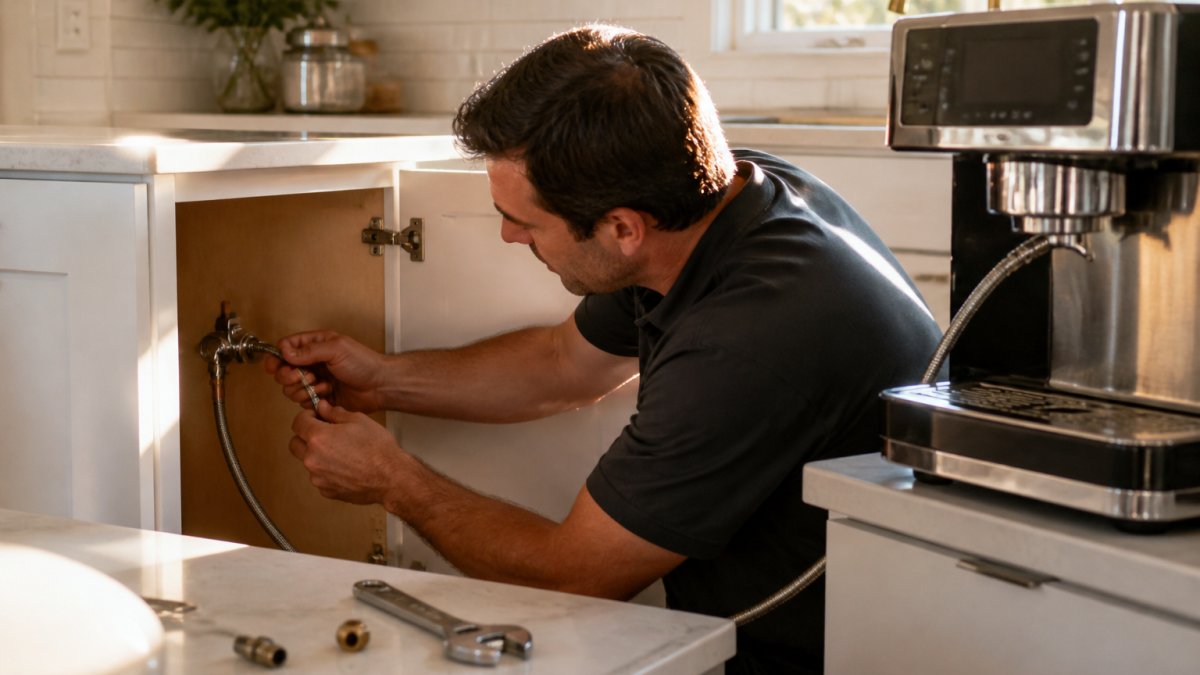
Home espresso machine water line installation is a defined project, not a mystery. Most setups follow the same sequence: tap the cold water supply, install a shut-off valve, run a braided hose to the machine, fit an inline filter, and check for leaks. A plumber or a confident DIYer can usually complete the work in a couple of hours when a shut-off valve already sits near the machine. If no valve exists, add time for running a new line through cabinetry.
Plan the route before you buy anything. The machine needs a cold water feed, a power outlet, and enough clearance behind it for the hose to bend without kinking. A dedicated valve under the sink or a nearby appliance line is the cleanest source. Avoid tapping a hot water line, and confirm the machine's inlet pressure range before connecting.
A Practical Installation Checklist
- Confirm the machine's inlet fitting size and required flow rate from the manual.
- Identify a cold water source with a shut-off valve within hose reach.
- Install a pressure regulator or accumulator if household pressure exceeds the machine's rating.
- Fit the inline water filter between the valve and the machine.
- Run the braided hose along a protected route, avoiding sharp edges and heat sources.
- Connect, open the valve slowly, and check every fitting for moisture.
- Flush the line and filter according to the filter manufacturer's instructions before brewing.
Hoses, Fittings, and Connection Sizes
Connection sizes vary by machine and by region, so confirm the thread size and fitting type in your machine's manual before ordering parts. Most setups use a braided hose with a shut-off valve at the wall and a pressure regulator or accumulator to protect the pump. Check whether your machine expects a specific flow rate and whether it ships with its own hose connection kit.
A common mistake is skipping the pressure regulator. Household water pressure can run higher than the machine's pump and internal seals are built for, and that shortens component life. Match the fittings first, then confirm the pressure.
Installation Constraints and Renter-Friendly Alternatives
Not every kitchen can support a permanent water line. Proximity to a cold water source, cabinetry layout, drainage, and shutoff access all matter. If you rent or cannot modify plumbing, a reservoir machine remains the practical choice. Some households use a portable pressure tank or a countertop filtration system to improve water quality without permanent plumbing, though these do not deliver the same continuous supply. Decide based on your lease terms, your kitchen layout, and how long you plan to stay.
Espresso Machine Water Filtration: Protecting Flavor and Your Machine
Espresso machine water filtration is the single most overlooked part of a plumbed setup. Water hardness and mineral content affect both how your espresso tastes and how long the machine lasts. Scale buildup inside the boiler and group head degrades brew consistency and eventually forces a repair.
A plumbed machine pulls unlimited water, which means it also pulls unlimited minerals. Where a reservoir user might switch to filtered or bottled water, a plumbed machine needs an inline filter to manage water quality at the source. Choose a filter rated for your water hardness and replace it on schedule.
Plumbed Espresso Machine Maintenance: Keeping It Leak-Free and Reliable
Plumbed espresso machine maintenance centers on three checks: inspect the hose and fittings for leaks, replace the water filter on schedule, and descale according to your water hardness. A plumbed machine removes refilling but adds plumbing you must watch.
Do a quick visual check of the hose connection and shut-off valve monthly. Look for moisture, mineral crust, or a damp cabinet floor. Most leaks start small at a fitting and are cheap to fix early.
Descaling frequency depends on your water. Hard water means more frequent descaling; a good filter reduces the load. Keep the integrated grinder clean and the brew path rinsed, and the machine stays reliable for years.
Total Installation and Ownership Costs to Plan For
Budget for three cost buckets: the machine, the installation, and the ongoing filter and descaling supplies. Pricing for machines and accessories depends on the model and configuration, so check current prices directly rather than relying on estimates. The goal here is not to quote a single number but to give you a planning framework you can apply to any model you consider.
Installation Cost Drivers
Installation cost depends on whether a valve already exists and whether you hire a plumber. A simple tap near an existing valve is the cheapest case; running a new line through cabinets adds labor. Factors that raise the installation cost include:
- No existing shut-off valve near the machine
- Long hose runs through cabinetry or walls
- Adding a pressure regulator or accumulator
- Hiring a licensed plumber versus doing the work yourself
- Permits or building code requirements in your area
Get a quote if hiring a plumber, and ask whether the quote includes the valve, hose, fittings, and filter housing or only labor.
Ongoing Ownership Costs
Ongoing costs are modest but real: replacement filters and descaling solution. Filter replacement frequency depends on your water hardness and the filter's rated capacity. Descaling frequency depends on water hardness and filter performance. Keep a simple log of filter changes and descaling dates so you can predict the annual cost rather than being surprised by it.
Comparing Plumbed Versus Reservoir Ownership
A reservoir machine has no installation cost, but it carries ongoing effort: refilling, monitoring water level, and potentially buying filtered or bottled water. A plumbed machine trades that effort for an upfront installation cost and a scheduled filter replacement routine. For a household brewing multiple drinks daily, the plumbed setup often justifies its cost through convenience and consistent water pressure. For a household brewing one or two drinks a day, the reservoir machine's zero installation cost and minimal refill burden may be the better financial choice.
| Cost Category | What It Covers | How to Plan |
|---|---|---|
| Machine | Espresso machine and accessories | Confirm current pricing with the seller |
| Installation | Valve tap, hose run, fittings, regulator | Get a quote if hiring a plumber; confirm scope |
| Filtration | Inline filter and replacements | Budget for scheduled filter changes based on hardness |
| Maintenance | Descaling solution, service | Match frequency to water hardness |
Weigh that against what you spend at coffee shops. For a household buying multiple drinks a day, the machine often pays for itself over time, though the exact break-even depends on your habits and the model you choose.
Frequently Asked Questions
Is a plumbed-in espresso machine better than a reservoir machine?
It depends on your routine. A plumbed-in espresso machine draws from a continuous water supply, so you skip refilling a reservoir and get steadier brew consistency during back-to-back drinks. Reservoir machines are easier to place anywhere and work well for lighter use. If you brew several times a day or host often, the plumbed-in espresso setup usually saves time; if your kitchen lacks a nearby water line, a reservoir model is the practical pick.
Can you connect a home espresso machine to a water line?
Yes, many home espresso machines support a direct water connection, but you need a nearby cold-water supply, a shut-off valve, and the right hose and fittings. Installation typically involves a T-adapter or dedicated valve under the sink, a braided hose to the machine, and a water filter in line. Check that your model is plumbable and confirm the required inlet pressure with the manufacturer before starting.
What maintenance does a plumbed-in espresso machine need?
Plan on regular filter changes, periodic descaling based on your water hardness, and routine flushing of the group and lines. Inspect the braided hose and fittings for wear, and check for slow drips under the cabinet every few months. Plumbed espresso machine maintenance also includes cleaning the brew path and milk system if you use one. Following the manufacturer's schedule keeps scale buildup and leaks from becoming expensive problems.
Is a plumbed-in espresso machine practical for a small office or bed and breakfast?
Yes. In a small office or bed and breakfast, a plumbed-in espresso machine keeps up with repeated brewing without constant refilling, which matters when guests or staff make drinks throughout the morning. A compact format helps where counter space is tight, and a direct water connection reduces interruptions. Confirm you have a suitable water line and filtration, and choose a model sized to your daily cup volume.