 ultimate-guide
What Is a Bean to Cup Espresso Machine? 2026 Guide
Table of Contents
- What Is a Bean to Cup Espresso Machine?
- Super Automatic Espresso Machine Benefits for Busy Households
- Bean to Cup vs Manual Espresso Machine: Which Fits Your Routine?
- Key Features That Decide Coffee Quality
- How to Maintain a Bean to Cup Machine
- Long-Term Costs, Repairability, and Bean Selection
- Frequently Asked Questions
Last Updated: September 17, 2026
What Is a Bean to Cup Espresso Machine?
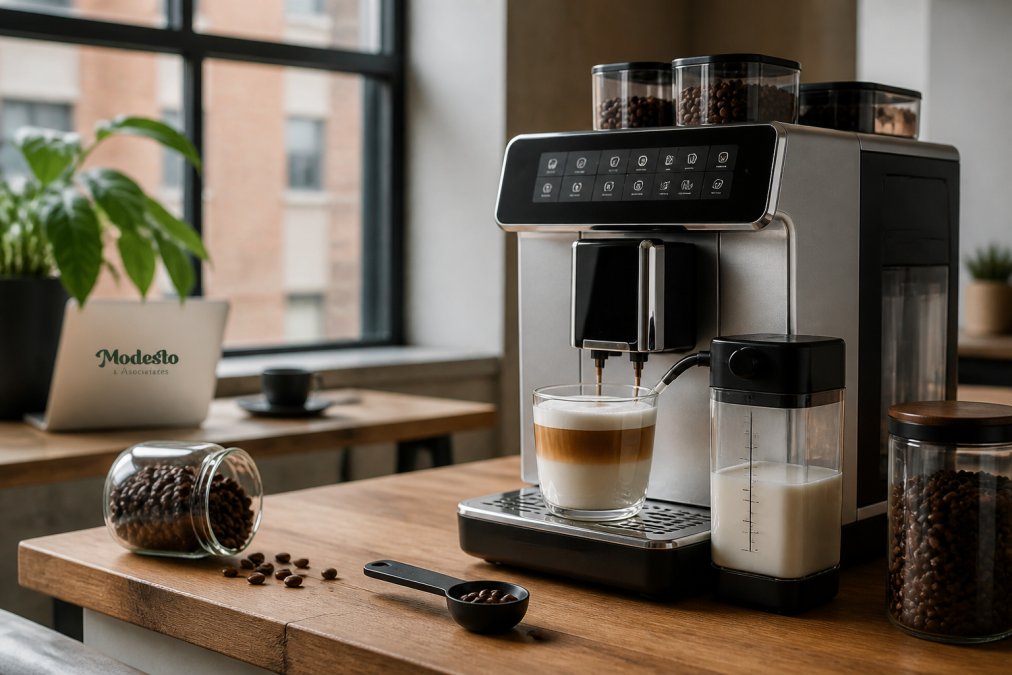
A bean to cup espresso machine is a fully automatic coffee maker that grinds whole beans, doses the grounds, tamps them, and pulls a shot of espresso with a single button press. You fill the bean hopper and water reservoir, and the machine handles the rest. This guide explains how they work, what they cost to own, and whether one fits your kitchen.
How Bean to Cup Machines Work: From Hopper to Cup
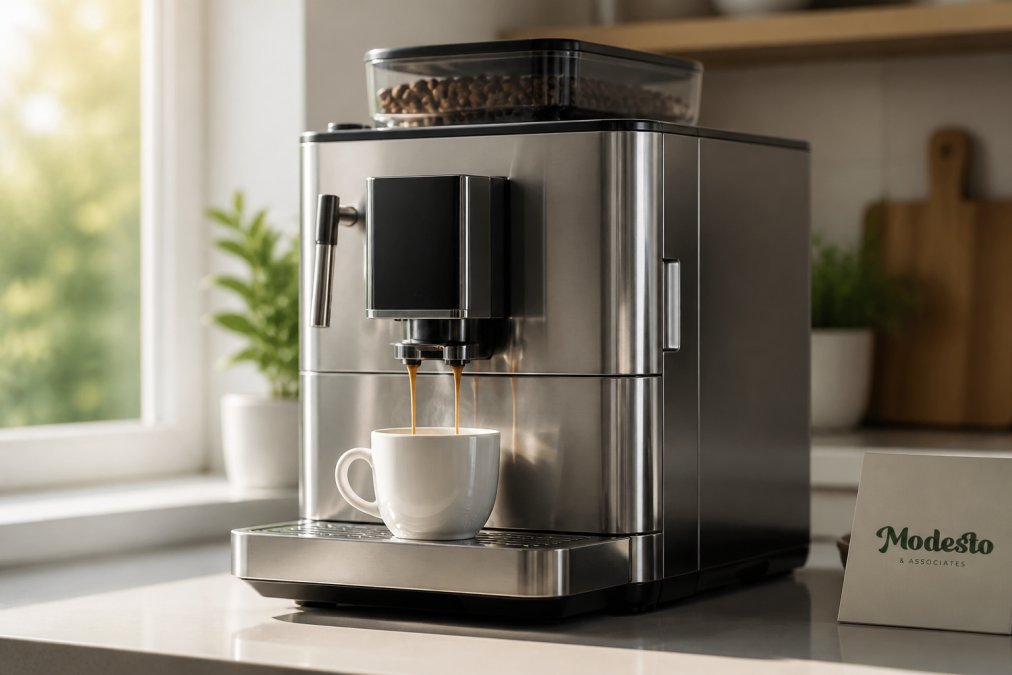
Five stages affect what ends up in your cup.
- Grinding. Whole beans drop from the hopper into a burr grinder, which crushes them to a consistent particle size. Burr grinders beat blade grinders because they produce uniform grounds rather than a mix of dust and chunks.
- Dosing and tamping. The machine measures a set dose of grounds, typically somewhere in the range of a standard single or double shot, and compresses it into a puck.
- Extraction. A pressure pump pushes heated water through the puck. Extraction time and flow rate determine whether you get a balanced shot or a bitter, over-extracted one.
- Milk frothing. If you ordered a latte or cappuccino, the steam wand or integrated frother heats and aerates milk to the right texture.
- Automatic cleaning. After the shot, the brew group rinses itself and the drip tray catches the runoff.
Temperature stability across all five stages separates repeatable shots from inconsistent ones.
Super Automatic Espresso Machine Benefits for Busy Households
The core benefit of a super automatic espresso machine is time. A manual routine of grinding, dosing, tamping, and pulling a shot takes several minutes and demands attention throughout. A super-automatic machine compresses that into a single press, which matters most on weekday mornings.
Bean to Cup vs Manual Espresso Machine: Which Fits Your Routine?
The choice between a bean to cup machine and a manual espresso machine comes down to control versus convenience. Manual machines give you full command over grind size, dosage, tamping pressure, and extraction time, letting an experienced user chase a specific flavor profile. But every variable is yours to manage, and small mistakes show up in the cup.
| Factor | Bean to Cup | Manual Espresso Machine |
|---|---|---|
| Time per drink | Under a minute | Several minutes |
| Skill required | Minimal | Moderate to high |
| Consistency | High, machine-controlled | Varies with technique |
| Control over extraction | Limited to presets | Full |
| Daily cleaning effort | Automatic rinse cycle | Manual, every session |
| Best for | Busy households, multiple users | Enthusiasts who enjoy the process |
Key Features That Decide Coffee Quality
Three components determine how good your espresso tastes: the grinder, the pump, and temperature stability. Everything else is convenience.
Grinder, Pump, and Temperature Stability
A built-in burr grinder with adjustable grind size lets you tune extraction. Grind too coarse and water rushes through, producing a thin, sour shot; too fine and the flow rate drops, producing a bitter, over-extracted one. Adjustable grind size lets you adapt to a new bean without changing machines.
Milk Frothing and Steam Wand Functionality
Milk frothing separates a good machine from a great one for latte and cappuccino drinkers. Automatic milk systems heat and texture milk to a set temperature without you holding a pitcher; a traditional steam wand gives more control but requires practice.
How to Maintain a Bean to Cup Machine
Maintenance is the difference between a machine that lasts years and one that develops off-flavors within months. Most of it is automated; the rest takes minutes. What most guides skip is the why behind each task and the water chemistry that drives real cost of ownership.
Daily, Weekly, and Monthly Maintenance Cycles
- Daily: Empty the drip tray, rinse the milk system if you used it, and let the automatic rinse cycle run. The rinse clears residual coffee oils from the brew group before they harden.
- Weekly: Clean the brew group, wipe down the bean hopper, and check the water reservoir for residue. A film of old coffee oil in the hopper transfers onto fresh beans and dulls their flavor.
- Monthly: Run a cleaning tablet cycle through the brew group and inspect the grinder for oil buildup. Cleaning tablets are typically a mild detergent formulated to dissolve coffee oils without leaving residue in the brew path.
- As needed: Descale based on your water hardness, not on a fixed schedule.
Coffee oils accumulate in the brew group and grinder, turn rancid, and taint every subsequent shot. The monthly cleaning cycle strips those oils out; skipping it accelerates wear on brew group seals and grinder burrs.
Descaling and Water Quality Impact
Water quality is the most overlooked factor in machine longevity and where total cost of ownership is decided. Hard water leaves mineral scale (primarily calcium carbonate) inside the boiler, thermoblock, and water lines. Scale restricts flow, forces the pump to work harder, and insulates heating elements so they run hotter and fail sooner.
- Soft water (under ~3 gpg): descale every 3 to 6 months.
- Moderately hard (~3 to 7 gpg): descale every 2 to 3 months.
- Hard to very hard (above ~7 gpg): descale monthly or use filtered/softened water to extend the interval.
The Recurring Costs Most Buyers Forget
The purchase price is only the entry fee. Recurring expenses are descaling solution, cleaning tablets, replacement water filters, and beans. Individually modest, they add up and vary by model and water hardness. A household on hard water that skips filtration will spend far more on descaling supplies and repairs than one that filters from day one.
Long-Term Costs, Repairability, and Bean Selection
Three factors get left out of most buying guides and matter more than most spec sheets: running costs, repairability, and bean choice. These decide whether a bean-to-cup machine earns its counter space for a decade or becomes an appliance you replace every few years.
Total Cost of Ownership Beyond the Purchase Price
The sticker price is the smallest part of the story. Recurring costs are descaling solution, cleaning tablets, water filters, and beans. Because these depend on water hardness, daily volume, and model, TCO varies widely, and any guide quoting a single number is guessing. What you control is the pattern: filter your water, descale on schedule, and clean the brew group monthly to push big repair costs years into the future.
Repairability vs. Replaceability
Repairability is where machine design diverges sharply and the best predictor of how long a machine stays out of a landfill. Some models have user-replaceable brew groups, accessible pumps, and standard O-rings and seals you can swap yourself. Others seal the brew unit and require factory service for major components.
Before buying, ask three questions:
- What is user-serviceable? Brew group, drip tray, water filter, and grinder burrs are the common user-replaceable parts. Pumps and boilers usually are not.
- Are replacement parts available? A machine whose parts are stocked by the manufacturer or a domestic parts supplier can be kept running for years.
- Can it be serviced locally? A A machine that a local technician can repair will outlast one that has to be shipped away, and it will hold its value better if you ever resell it.
Bean Selection and How Roast Level Affects the Machine
Bean selection deserves more attention, because roast level interacts directly with a super-automatic machine's internals.
- Dark, oily roasts. The oils that give dark roasts their sheen also coat grinder burrs and the brew group. Over time that oil film turns rancid and gums up the grinder, which means more frequent cleaning and, eventually, dulled burrs that grind unevenly. If you drink dark roasts daily, plan on more frequent grinder cleaning.
- Medium roasts. The middle ground. They extract predictably in automatic machines and leave less oil residue than dark roasts, which is why many manufacturers tune their default profiles around them.
- Light roasts. Denser and less porous, light roasts resist extraction. They need finer grinding and higher brew temperatures to pull a balanced shot, and some automatic machines cannot reach the temperature or grind fine enough to do them justice. If light roasts are your preference, check that the machine's grinder and temperature range can handle them before you buy.
Frequently Asked Questions
Is a bean to cup machine better than a traditional espresso machine?
It depends on your priorities. A bean to cup machine grinds, doses, tamps, and brews with one touch, so you get consistent espresso extraction without learning technique. Traditional machines give you more control over grind size, tamping pressure, and shot volume, which appeals to hobbyists. For busy professionals who want barista-quality coffee without the learning curve, a bean to cup model is usually the better fit.
Do bean to cup machines require professional installation?
No. Most bean to cup machines are plug-and-play. You fill the water reservoir, add beans to the hopper, run an initial rinse cycle, and you are ready to brew. Some models can be plumbed directly to a water line, which a plumber can handle, but that is optional. For most home kitchens, setup takes under 30 minutes with no special tools or professional help.
How often do I need to descale a bean to cup machine?
Descaling frequency depends on your water hardness and daily use. In hard water areas, descale every two to three months; with softer water, every four to six months is typical. Many machines alert you when descaling is due. Using filtered water slows mineral buildup and protects the brew group, which extends the life of your machine and keeps espresso tasting clean.
What is the difference between a bean to cup and a pod coffee machine?
A bean to cup machine grinds whole beans fresh for each shot, so you get more aromatic espresso and can switch bean varieties anytime. Pod machines use pre-ground, pre-packaged capsules, which are convenient but limit you to available pod options and create ongoing packaging waste. Bean to cup machines cost more upfront but typically cost less per cup over time and deliver fresher coffee.