 comparison
7 Superautomatic Espresso Machine Facts That Matter
Last Updated: October 25, 2026
Quick Summary
A superautomatic espresso machine grinds whole beans, doses, tamps, brews, and often froths milk at the push of a button, replacing the entire barista workflow with one sealed process. You set strength, volume, temperature, and milk texture once, and the same drink comes out the same way tomorrow.
- Superautomatic and fully automatic espresso machine mean the same thing; the labels are marketing language, not technical categories.
- Most owners spend five to ten minutes a week on routine cleaning and thirty to sixty minutes a month on deeper cycles.
- Skipping descaling is the most common cause of premature failure, so follow the machine's own descaling prompts.
- For offices and bed and breakfasts, automatic milk cooling is the feature that matters most.
- Buy for the drink you actually make, not the drink menu on the box.
Table of Contents
- What a Superautomatic Espresso Machine Actually Does
- Superautomatic vs. Fully Automatic Espresso Machine: What's the Difference?
- Superautomatic vs. Nespresso: Which Fits Your Counter and Budget?
- Taste Test: Superautomatic Espresso vs. Semi-Automatic
- Superautomatic Espresso Machine Maintenance: The Weekly and Monthly Checklist
- Superautomatic Espresso Machine for Small Office and Bed & Breakfast
- Matching a Superautomatic Machine to Your Daily Routine
- Shop the Magic M2+ and Start Your Morning Right
- Frequently Asked Questions
What a Superautomatic Espresso Machine Actually Does
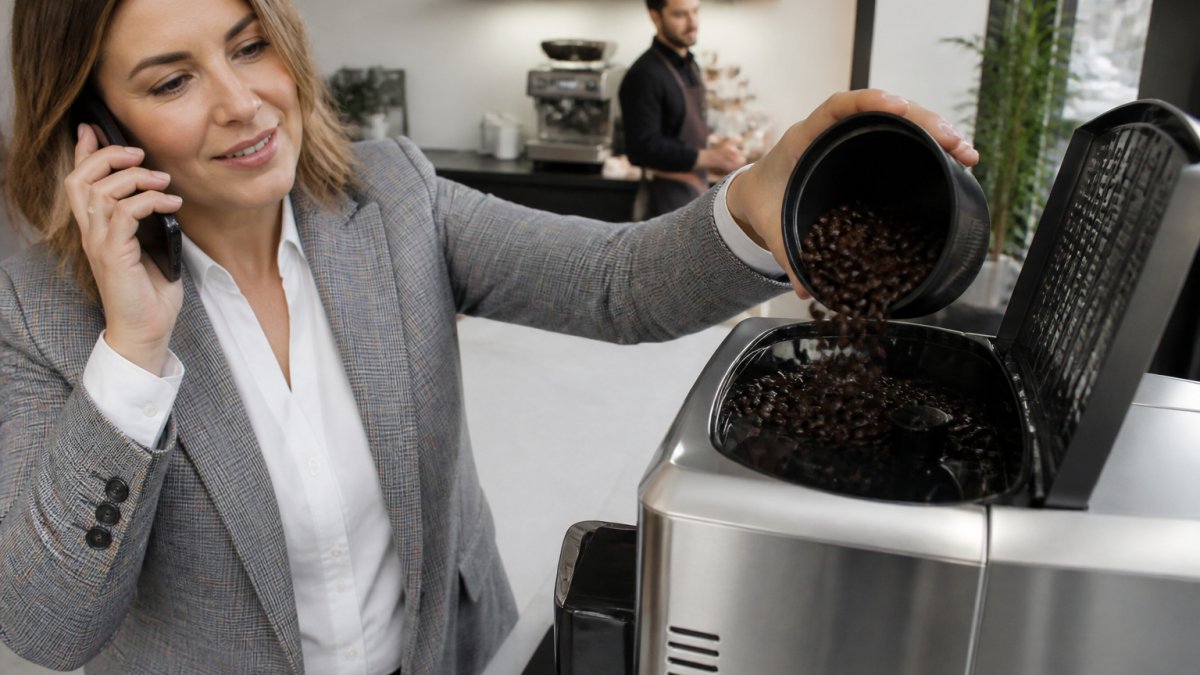
A superautomatic espresso machine grinds beans, doses coffee, tamps, brews, and often froths milk at the push of a button. In practice, it replaces the entire barista workflow with one sealed process.
That matters because freshness drives flavor. Pre-ground coffee starts losing aromatics within minutes of grinding, so a built-in grinder on a superautomatic espresso machine keeps more of the bean's character in the cup.
What you control is the drink menu. Most machines let you set coffee strength, brew volume, water temperature, and milk texture through programmable settings. If the terminology still feels tangled, our guide on what a bean to cup espresso machine is walks through how the process works end to end.
Superautomatic vs. Fully Automatic Espresso Machine: What's the Difference?
Nothing. Superautomatic and fully automatic espresso machine mean the same thing: a machine that grinds, brews, and finishes the drink automatically. The two labels are marketing language, not technical categories.
Here is where buyers get confused. Some retailers use "fully automatic" for machines with automatic milk frothing and "superautomatic" for models that also store user profiles or offer more drink presets. That split is not standardized. A machine sold as fully automatic may have more features than one sold as superautomatic, and vice versa.
The practical test is simple: if the machine grinds whole beans itself and needs no separate grinder or portafilter, it belongs in the same bucket. Ignore the label and check three specs instead:
- Built-in grinder: whole-bean hopper, adjustable grind size
- Milk system: automatic frother, steam wand, or none
- Drink presets: how many recipes the machine stores and whether you can adjust strength and volume
Our breakdown of why super-automatic espresso machines are worth it covers the value case in more depth if you are still weighing the purchase.
Superautomatic vs. Nespresso: Which Fits Your Counter and Budget?
These two solve different problems. A superautomatic espresso machine grinds fresh beans and gives you control over strength, grind size, and brew volume. A Nespresso-style pod machine trades that control for speed and near-zero cleanup.
The trade-off shows up in three places. First, cost over time: pods cost more per drink than whole beans, so heavy daily drinkers usually spend more on capsules over a few years than they would on a grinder-equipped machine. Second, taste: fresh-ground coffee generally offers more depth and aroma than pre-sealed pods, though pod systems have improved. Third, flexibility: a superautomatic can pull single or double shots and steam milk for cappuccino or latte, while pod machines are limited to what the capsule contains.
Counter space is the honest objection. Superautomatic machines are larger than pod machines, and smaller kitchens feel that difference. Measure your counter depth and clearance under upper cabinets before you buy, and check the machine's dimensions against that gap rather than guessing.
Best for: anyone drinking two or more milk drinks a day who wants fresh-ground espresso without a manual workflow. Skip if: you drink one small coffee a week and want the smallest footprint possible.
Taste Test: Superautomatic Espresso vs. Semi-Automatic
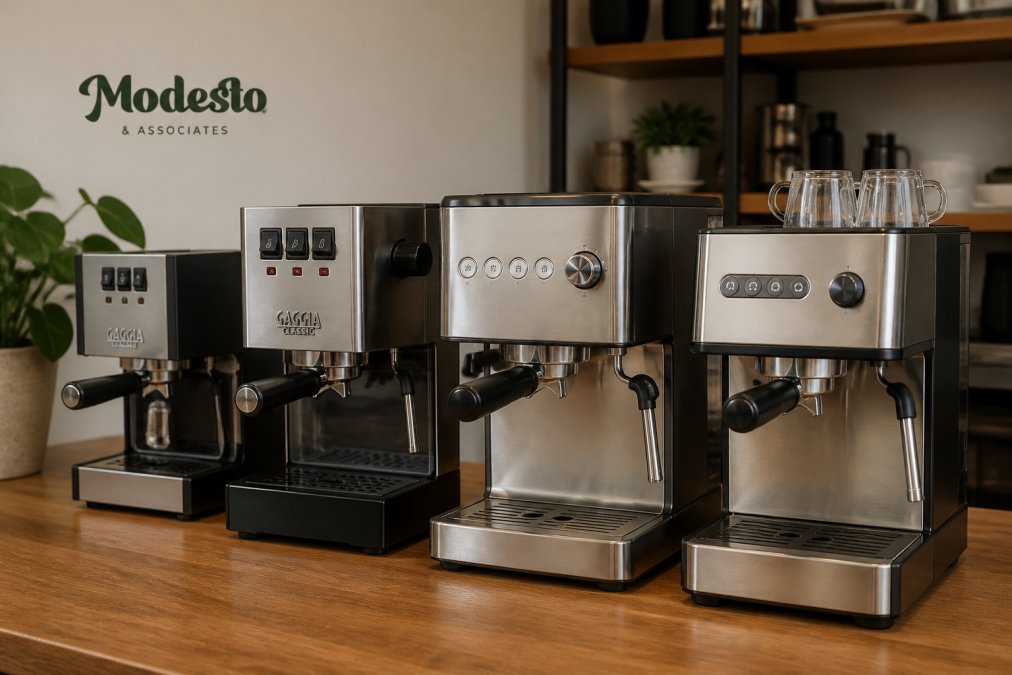
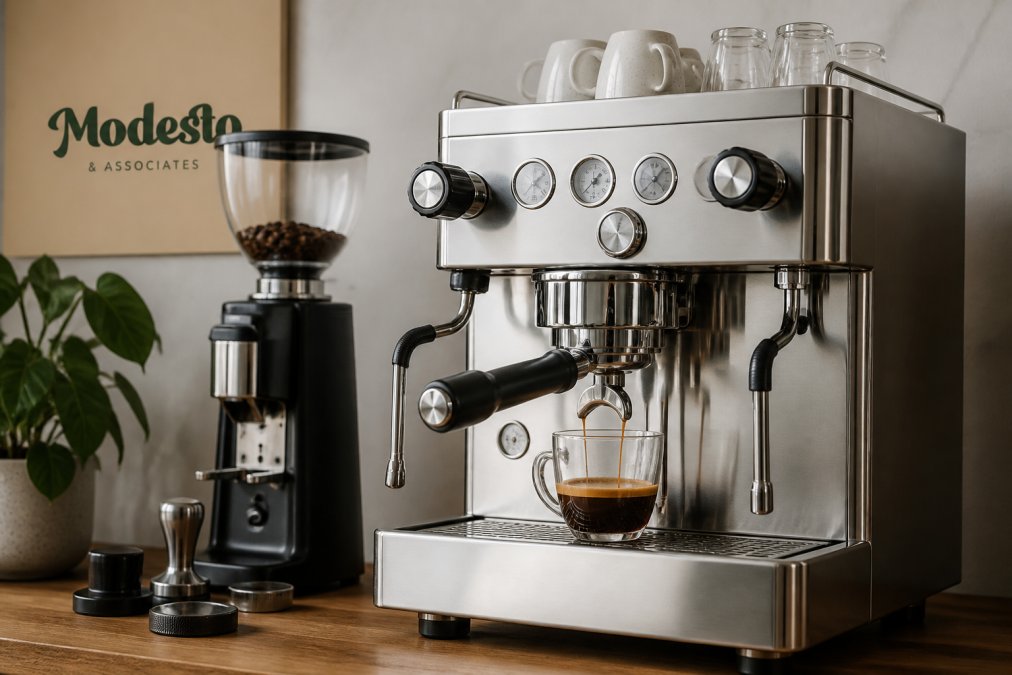
A well-tuned semi-automatic setup can produce a more nuanced shot than a superautomatic, and that is worth saying plainly. A skilled barista using a semi-automatic espresso machine controls dose, tamp pressure, and extraction by feel, which allows fine adjustment for a specific bean.
The gap is narrower than enthusiast forums suggest, but it is real. Superautomatic machines now offer adjustable grind size, programmable brew temperature, and dose control, which covers most of what a home user needs.
Flavor problems trace back to a few common causes:
- Watery espresso: grind too coarse, dose too low, or brew volume set too high
- Bitter, harsh shots: grind too fine or water temperature running hot
- Sour shots: under-extraction from a coarse grind or a very light roast
The fix is usually one variable at a time. Tighten the grind one step, pull a shot, taste, and repeat. Most home users land on a satisfying setting within a week and then stop adjusting, which is exactly the point of push-button brewing.
The trade-off in plain terms: a semi-automatic rewards skill with a potentially better shot; a superautomatic rewards consistency with a reliably good shot. For households where one person drinks espresso and another drinks lattes, the superautomatic's repeatability often matters more than the semi-automatic's ceiling.
For a deeper look at how the two machine types compare on workflow and cleanup, our guide on superautomatic vs. semi-automatic espresso machines walks through the day-to-day differences.
Superautomatic Espresso Machine Maintenance: The Weekly and Monthly Checklist
Maintenance is where superautomatic ownership succeeds or fails. The machines that last are the ones kept on a simple cleaning rhythm, and the routine takes minutes, not hours.
Here is the schedule we recommend:
Weekly
- Rinse the brew group under warm water and let it air dry
- Empty and rinse the grounds container and drip tray
- Wipe the milk frother or steam wand after every use, not just weekly
- Run a rinse cycle on the milk system if your machine has one
Monthly
- Run the machine's built-in descaling cycle with the manufacturer's descaler
- Clean the brew group with a dedicated cleaning tablet if the machine supports it
- Soak removable milk parts in warm water with a food-safe cleaner
- Check the water filter and replace it on the schedule the manual specifies
Watch out: skipping descaling is the most common cause of premature failure. Scale builds in the boiler and lines, restricts flow, and eventually damages components that cost real money to replace.
Total cost of ownership beyond the machine price. The purchase price is only the entry point.
Reliability and repairability. Superautomatic machines have more moving parts than semi-automatics, which means more potential failure points but also more built-in diagnostics. Most manufacturers publish a warranty period and offer service or repair programs.
For a step-by-step walkthrough, our guide on how to clean super automatic espresso machines covers each cycle in detail.
Superautomatic Espresso Machine for Small Office and Bed & Breakfast
A superautomatic espresso machine for a small office or bed and breakfast earns its place by removing the training problem. Guests and coworkers press one button and get a consistent drink without anyone playing barista at 7 a.m.
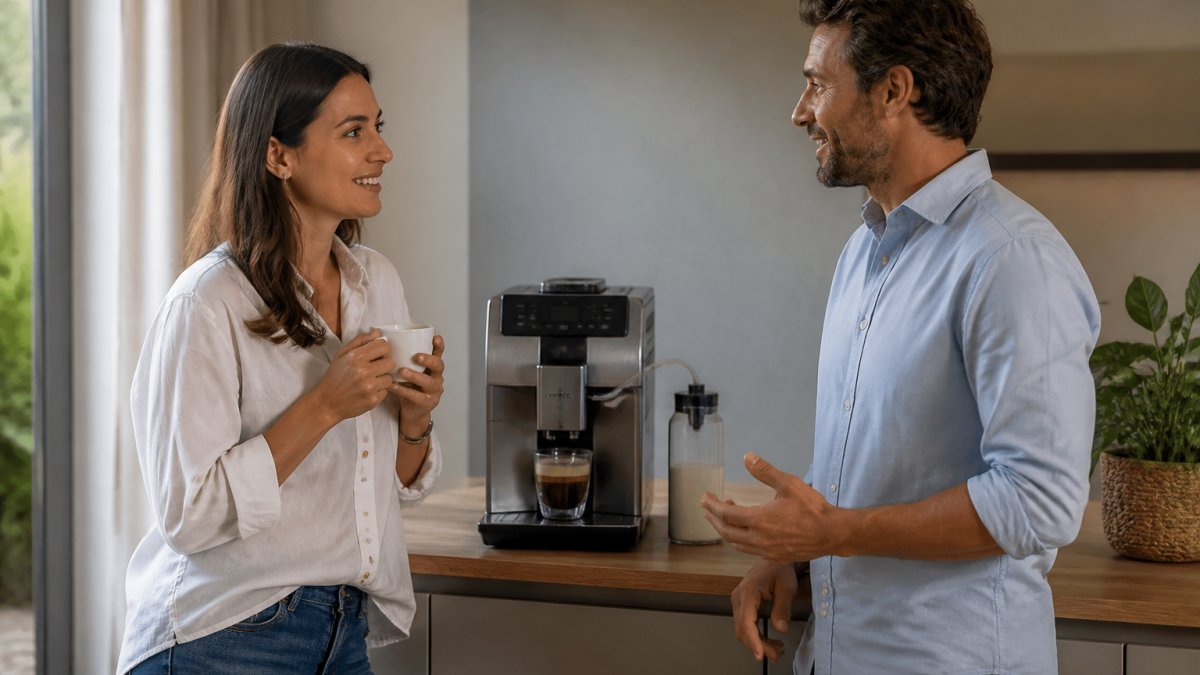
The feature that matters most in this setting is automatic milk cooling. A machine paired with a milk cooler keeps milk at a safe holding temperature through a busy morning service, so staff are not swapping cartons or guessing whether the milk is still good.
Volume is the other consideration. Count your peak-hour drinks, not your daily total. Our article on the benefits of automatic milk cooling accessories explains how the cooling side works in a serving environment.
Best for: offices and guest houses serving a concentrated morning rush with staff who are not coffee specialists. Skip if: you serve only a handful of drinks a week and can manage milk by hand.
Matching a Superautomatic Machine to Your Daily Routine
Buy for the drink you actually make, not the drink menu on the box. That single rule prevents most purchase regrets.
Match the machine to your routine with these questions:
| Your habit | What to prioritize | What to skip |
|---|---|---|
| Black coffee or Americano only | Strong brew unit, adjustable volume, large water tank | Milk system, milk cooler |
| One latte or cappuccino daily | Automatic milk frother, easy-clean milk parts | Drink presets beyond what you use |
| Several milk drinks for a household | Milk cooling accessory, fast recovery, big bean hopper | Compact footprint |
| Office or guest house service | Milk cooling, durable brew group, simple controls | Personalization features |
| Occasional weekend use | Compact model, simple maintenance | High-capacity hoppers |
Two practical checks before you commit. First, confirm the machine's dimensions fit your counter and clearance. Second, read the maintenance manual before buying, not after. If the cleaning routine looks like something you will skip, choose a simpler model. Convenience only pays off if you keep the machine running.
Shop the Magic M2+ and Start Your Morning Right
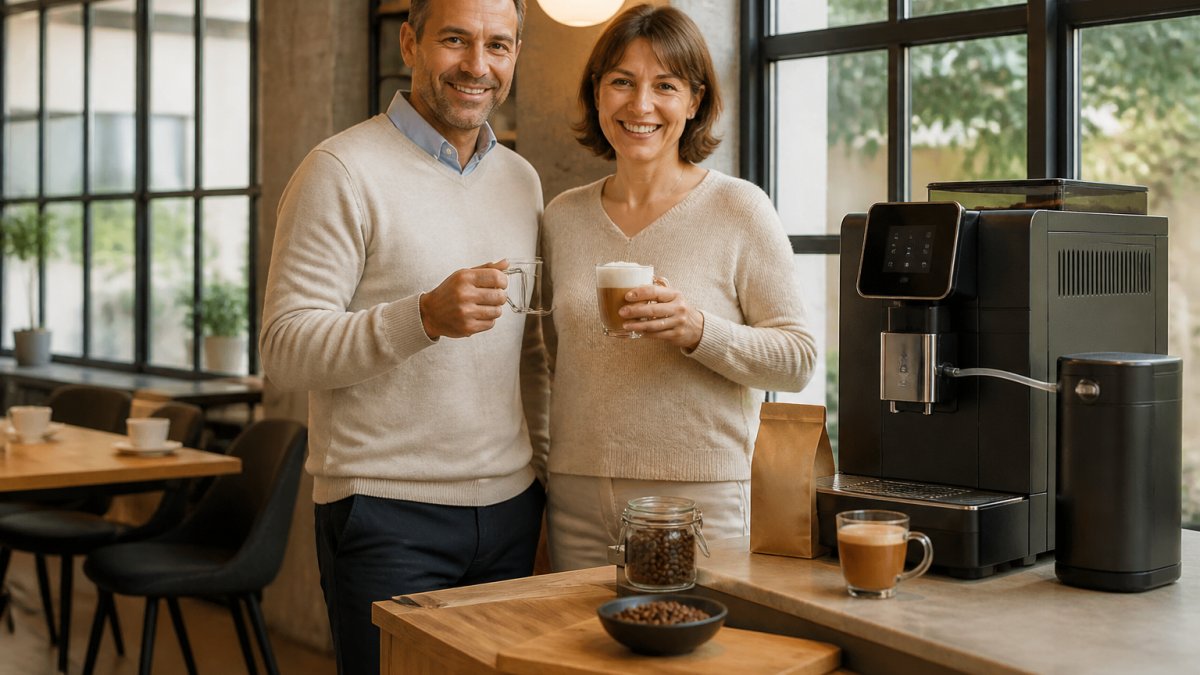
The machine that fits most households and small hospitality settings is the Magic M2+ Professional Super Automatic Espresso Machine with milk cooler.
Here is what that means in daily use. You fill the bean hopper and water tank, choose your drink, and press a button. The milk cooler keeps your milk at the right temperature so the second and fifth drinks taste like the first.
If you are ready to compare specs and bundle options, you can shop the Magic M2+ with milk cooler and see the full setup. Get started with Modesto & Associates and put café-standard drinks on your counter, one button press at a time.
The gap between a good coffee routine and a great one usually comes down to the machine on your counter. If you want fresh-ground espresso, automatic milk frothing, and a cleaning routine measured in minutes, Modesto & Associates can help you choose the right setup.
Frequently Asked Questions
Which is better, Nespresso or a superautomatic espresso machine?
It depends on how much you value fresh beans and drink variety. Nespresso uses sealed capsules and heats up fast, but you are locked into pod pricing and limited to espresso-style drinks. A superautomatic espresso machine grinds whole beans on demand, so you get fresher espresso flavor, automatic milk frothing for lattes and cappuccinos, and no pod waste. The trade-off is a higher upfront cost and a cleaning routine. For daily drinkers who want café-style milk drinks at home, a superautomatic usually wins on long-term value.
How do you clean and maintain a superautomatic espresso machine?
Daily: empty the drip tray, dump the puck bin, and rinse the milk frother or milk line if you made a milk drink. Weekly: run the automatic rinse cycle, wash the brew group under warm water, and wipe the steam wand. Monthly: use the machine's descaling program with a manufacturer-approved descaler and replace the water filter if your model has one. Skipping descaling is the most common cause of weak flow and off-tasting espresso, so put it on a calendar reminder.
Is a superautomatic espresso machine suitable for a small office or bed and breakfast?
Yes, if you match the machine to your daily cup count. For a small office of 5 to 15 people or a bed and breakfast serving 4 to 10 guests, a superautomatic with a built-in grinder, automatic milk frothing, and a removable water tank handles back-to-back drinks without much training. Look for one-touch operation, a large enough bean hopper, and easy-access cleaning so staff or guests can use it without a barista on hand. The Magic2 and Royal models are built for exactly this kind of shared setting.
How does a superautomatic espresso machine work?
You fill the bean hopper and water tank, then press a button. The built-in grinder grinds coffee beans to the grind size set in the machine, tamps the dose, and pushes hot water through it at the programmed water temperature and brew volume. For milk drinks, the automatic milk frother steams and textures milk in the same cycle. Programmable settings for coffee strength and drink size let you save your favorite recipes, so daily brewing becomes one-touch operation.