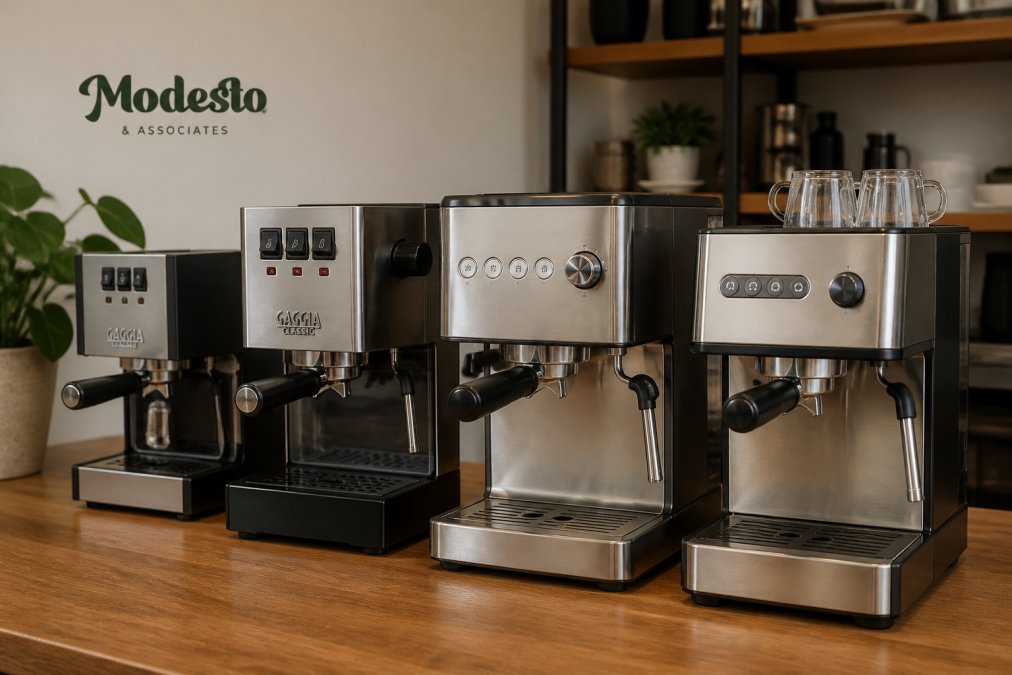
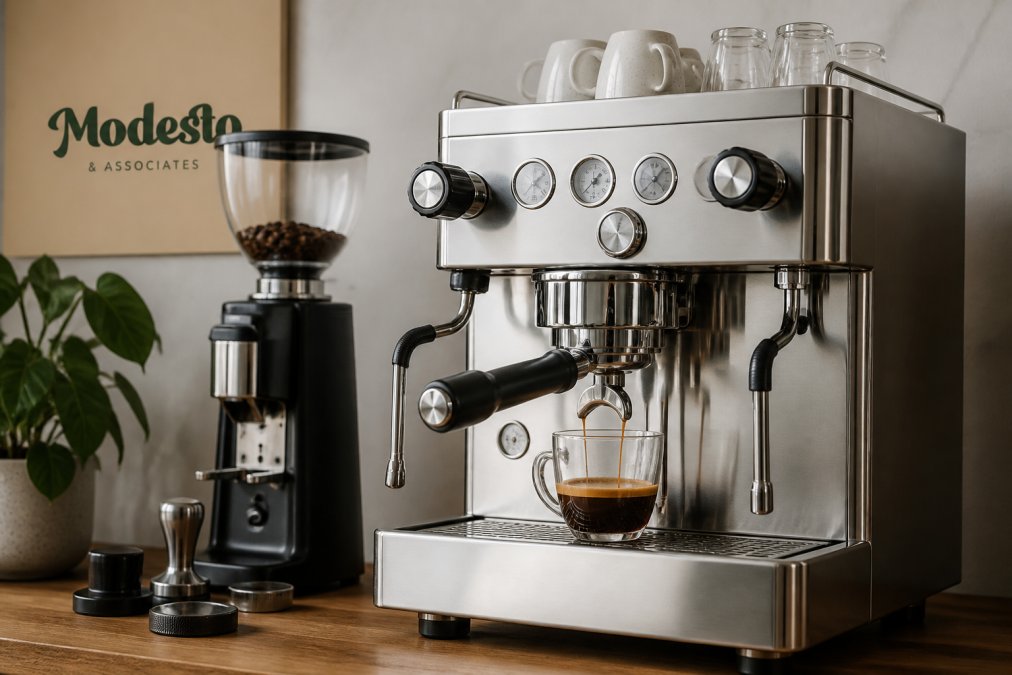
 comparison
Are Bean to Cup Machines Worth It in 2026?
Last Updated: October 27, 2026
Quick Summary
A bean to cup machine is worth it if you want consistent espresso and milk drinks with one press of a button, since it grinds, tamps, brews and froths milk inside a single unit. It suits tight mornings, but you must budget for beans, filters, cleaning supplies and repairs.
- A bean to cup machine grinds, tamps, brews and froths milk in one press of a button.
- Choose your milk system based on how often you make milk drinks and how much cleanup you accept.
- Budget for four ongoing costs: beans, water filters, cleaning supplies, and repairs and service.
- Clean daily, weekly and on schedule to protect your investment.
- Magic2 and Royal also work for small offices and bed-and-breakfast settings.
Table of Contents
- What Bean to Cup Means and How These Machines Work
- Bean-to-Cup vs. Espresso Machine: Which Fits Your Routine?
- Choosing a Bean-to-Cup Machine with Milk Frother
- The Real Ownership Cost: Beans, Filters, Cleaning, and Repairs
- Bean-to-Cup Machine Cleaning and Maintenance That Protects Your Investment
- Matching a Machine to Your Household: Decaf, Multiple Users, and Entertaining
- Shop the Magic M2+ and Start Your Home Barista Setup
- Frequently Asked Questions
What Bean to Cup Means and How These Machines Work
A bean to cup machine is a super-automatic espresso maker that grinds whole coffee beans, doses them, tamps, brews, and often froths milk in one press of a button. Everything between a bag of beans and a finished cup happens inside a single countertop unit.
That definition matters because the category gets muddled. A bean to cup machine is not a pod brewer with a bean option, and it is not a semi-automatic espresso machine that leaves grinding and tamping to you. The built-in grinder is the line in the sand.
Here is what happens after you press a drink button:
- The grinder spins and drops freshly ground coffee into the brew chamber
- The machine tamps the grounds and forces heated water through them at pressure
- Espresso lands in the cup, and a milk circuit steams or froths milk if the drink calls for it
- The brew unit ejects the used puck into an internal bin
The payoff is consistency. If you want the longer explanation of the mechanics and the terminology, our guide on what a bean to cup espresso machine is walks through it from the ground up.

Bean-to-Cup vs. Espresso Machine: Which Fits Your Routine?
The honest answer: bean-to-cup and separate grinder-and-espresso-machine setups offer different routines. Neither is universally better.
A bean-to-cup machine suits you if mornings are tight and you want a shot without dialing in a grinder before work.
If you are weighing specific machine types head to head, this Breville vs Jura espresso machine comparison lays out the differences in plain terms.
Choosing a Bean-to-Cup Machine with Milk Frother
There are three milk systems to know:
- Manual steam wand: You steam and texture the milk yourself. More control, more cleanup, more skill required.
- Automatic frother with a carafe: The machine draws milk from a container, froths it, and dispenses it into the cup. One-touch lattes, but the carafe needs rinsing after every use.
- Integrated milk cooling: Milk stays refrigerated in a dedicated cooler and feeds the machine on demand. Best for frequent milk drinks and households where several people make coffee at different times.
For small offices and bed-and-breakfast settings, Magic2 and Royal also work.
If barista-level foam is your goal, our guide on how to froth milk like a barista covers temperature, texture, and the mistakes that flatten foam. But for most buyers, the decision comes down to how often you make milk drinks and how much cleanup you are willing to do. Choose the milk system for your real routine, not for the occasional weekend cappuccino.
The Real Ownership Cost: Beans, Filters, Cleaning, and Repairs
Four ongoing costs deserve a line in your budget:
| Cost Category | What Drives It | How to Keep It Down |
|---|---|---|
| Whole beans | Bean quality, roast level, how many cups per day | Buy fresh, store sealed, skip stale bargain bags |
| Water filters | Water hardness, filter change schedule | Use filtered water and follow the machine's reminder |
| Cleaning supplies | Descaling solution, cleaning tablets, milk system cleaner | Clean on schedule, not when performance drops |
| Repairs and service | Brew unit wear, pump life, milk circuit maintenance | Descale regularly and use the correct products |
We deliberately avoid quoting figures here. Visit our website for current pricing.
Bean-to-Cup Machine Cleaning and Maintenance That Protects Your Investment
Three routines cover almost everything:
- Daily: Empty the grounds bin, rinse the drip tray, and flush the milk system after the last milk drink of the day.
- Weekly: Remove and rinse the brew unit where the machine allows it, wipe the dispensing spouts, and clean the milk container or cooler parts.
- On schedule: Run the descaling cycle when the machine prompts you, and use the manufacturer's cleaning tablets at the recommended interval.
For a full walkthrough, our guide on how to clean super automatic espresso machines covers the daily, weekly, and deep-clean steps in order.
Matching a Machine to Your Household: Decaf, Multiple Users, and Entertaining
Decaf drinkers.
Multiple users.
Entertaining.
Small kitchens.
Noise and energy.
Shop the Magic M2+ and Start Your Home Barista Setup
At Modesto & Associates, we offer professional-grade super-automatic espresso machines and high-quality milk cooling accessories designed to bring café-standard beverages into your home.
When you are ready, you can shop the Magic M2+.
Frequently Asked Questions
What does bean to cup mean?
Bean to cup describes an automated coffee machine.
Are bean-to-cup coffee machines worth it?
Bean to cup machines are worth it if you drink coffee daily, value convenience, and want café-style drinks without barista skills. They cost more upfront than drip brewers, but they replace multiple appliances and can reduce coffee shop visits. The trade-off is routine cleaning and descaling. If you mostly drink plain black coffee and rarely steam milk, a simpler brewer may suit you better. For milk drinks and one-touch operation, bean to cup delivers strong day-to-day value.
Can bean-to-cup machines make espresso and milk drinks?
Yes. Most bean to cup machines brew espresso and espresso-based drinks, and models with a milk frother add lattes, cappuccinos, and flat whites. Built-in frothers heat and texture milk automatically, while some machines include a milk cooling accessory to keep dairy at a safe temperature between drinks. Drink presets let you adjust strength, volume, and milk ratio. Check that the model you choose supports the milk drinks you order most often.
How do you clean a bean-to-cup coffee machine?
Daily cleaning includes emptying the grounds container, rinsing the drip tray, and wiping the milk spout after each use. Weekly tasks include running the automatic rinse cycle and cleaning the brew group if your model allows removal. Descaling depends on your water hardness and how often you brew; follow the machine's prompt. Use the manufacturer's cleaning tablets and descaler to protect the grinder and boiler. A consistent bean-to-cup machine cleaning routine keeps flavor fresh and extends lifespan.
The gap between a good coffee routine and a great one usually comes down to the machine on your counter. If you want barista-quality drinks without the learning curve, Modesto & Associates carries professional super-automatic espresso machines with integrated milk cooling, guided cleaning programs, and one-touch drink presets built for daily use. Get started with Modesto & Associates and turn your morning coffee into the best part of your day.